Cart (0)
No products in the cart.
24/7
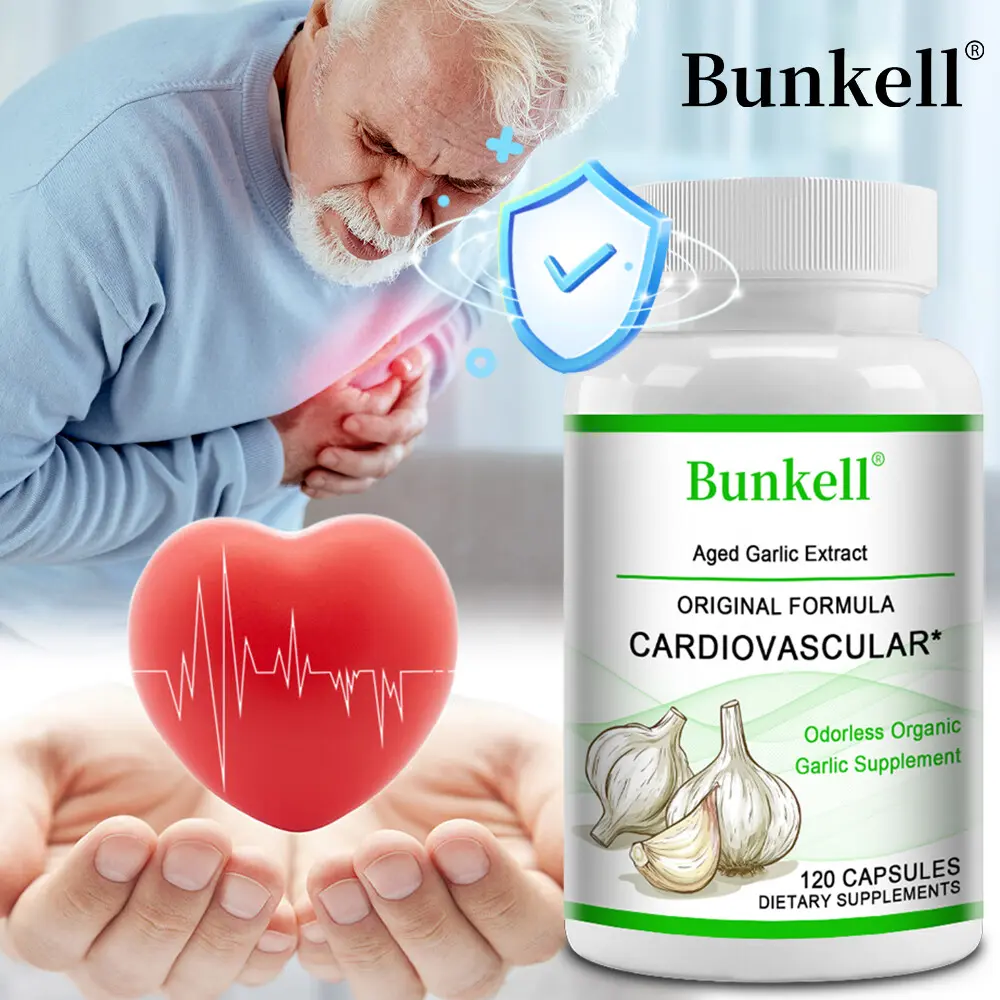
Garlic and its arrangements were extensively diagnosed as sellers for prevention and remedy of cardiovascular and different metabolic sicknesses, atherosclerosis, hyperlipidemia, thrombosis, high blood pressure, and diabetes. The effectiveness of garlic in cardiovascular illnesses changed into greater encouragement in experimental research, which induced numerous scientific trials. Though many scientific trials confirmed a fine impact of garlic on nearly all cardiovascular situations cited above, some of the bad research has these days solid doubt at the efficacy of garlic, particularly its ldl cholesterol-decreasing impact.
It is a tremendous task for scientists all around the world to make the right use of garlic and experience its most useful impact, as it's by far the most inexpensive way to save you from cardiovascular disease. This overview has tried to bridge the distance between experimental and scientific examination and to speak about the feasible mechanisms of such healing moves of garlic.
Garlic's principal active components are its organosulfur compounds, which include diallyl thiosulfonate (allicin), diallyl sulfide (DAS), diallyl disulfide (DADS), diallyl trisulfide (DATS), E/Z-ajoene, S-allyl-cysteine (SAC), and S-allyl-cysteine sulfoxide (alliin).
Suggested day-by-day doses consist of 2 to five g of clean, uncooked garlic; 0.4 to 1.2 g of dried garlic powder; 2 to five mg of garlic oil; three hundred. In a meta-evaluation comparing outcomes of garlic on blood pressure, doses of garlic powder ranged from 300 to 200 mg/day for two to 24 weeks.
Your email address will not be published. Required fields are marked *
Please login to write review!
Looks like there are no reviews yet.